

Featured Supplier: Celanese
Featured Product: Santoprene® TPV

Santoprene® TPV from Celanese behaves like a rubber but processes like a thermoplastic. Compared to materials such as ethylene propylene diene monomer or other thermoset rubbers, Santoprene® TPV offers:
- Lower total system costs through manufacturing simplification
- Weight reduction through part redesign
- In-process recycling during processing and the potential for end of life recycling
Santoprene® TPV is a revolutionary material that's successful across many industries:
- Appliances
- Automotive & Transportation
- Building & Construction
- Consumer Goods
- Electrical & Electronics, & Energy
- Industrial & Manufacturing
- Oil, Gas & Mining
- Personal Care & Cosmetics
- Sustainability
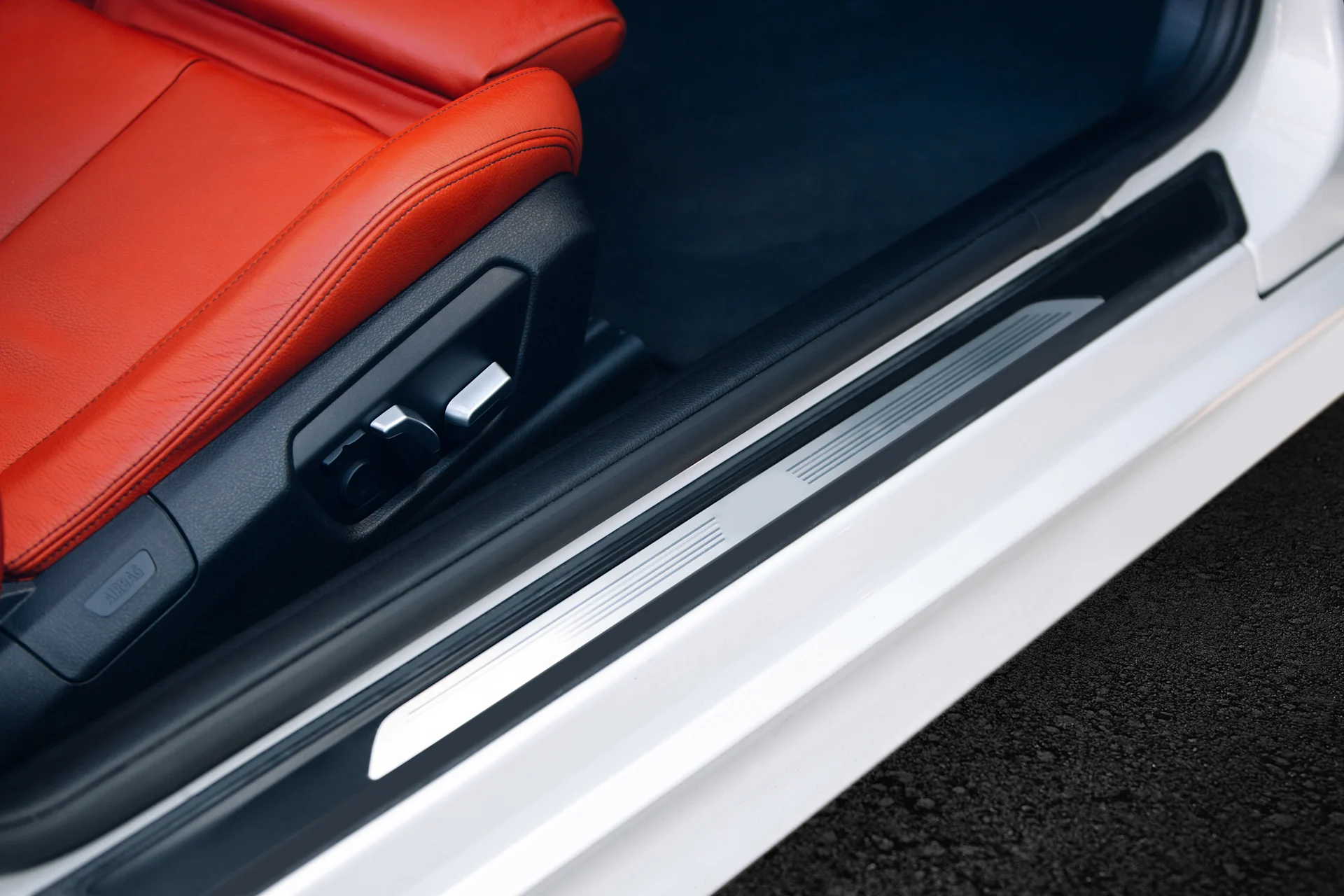
Applications:
Appliances
- Dryers, Dishwashers & Washing Machines
- Tubing & Connectors
Automotive & Transportation
- EV Charging Components
- Air Duct Systems
Building & Construction
- Weather & Window Seals
- Expansion Joints
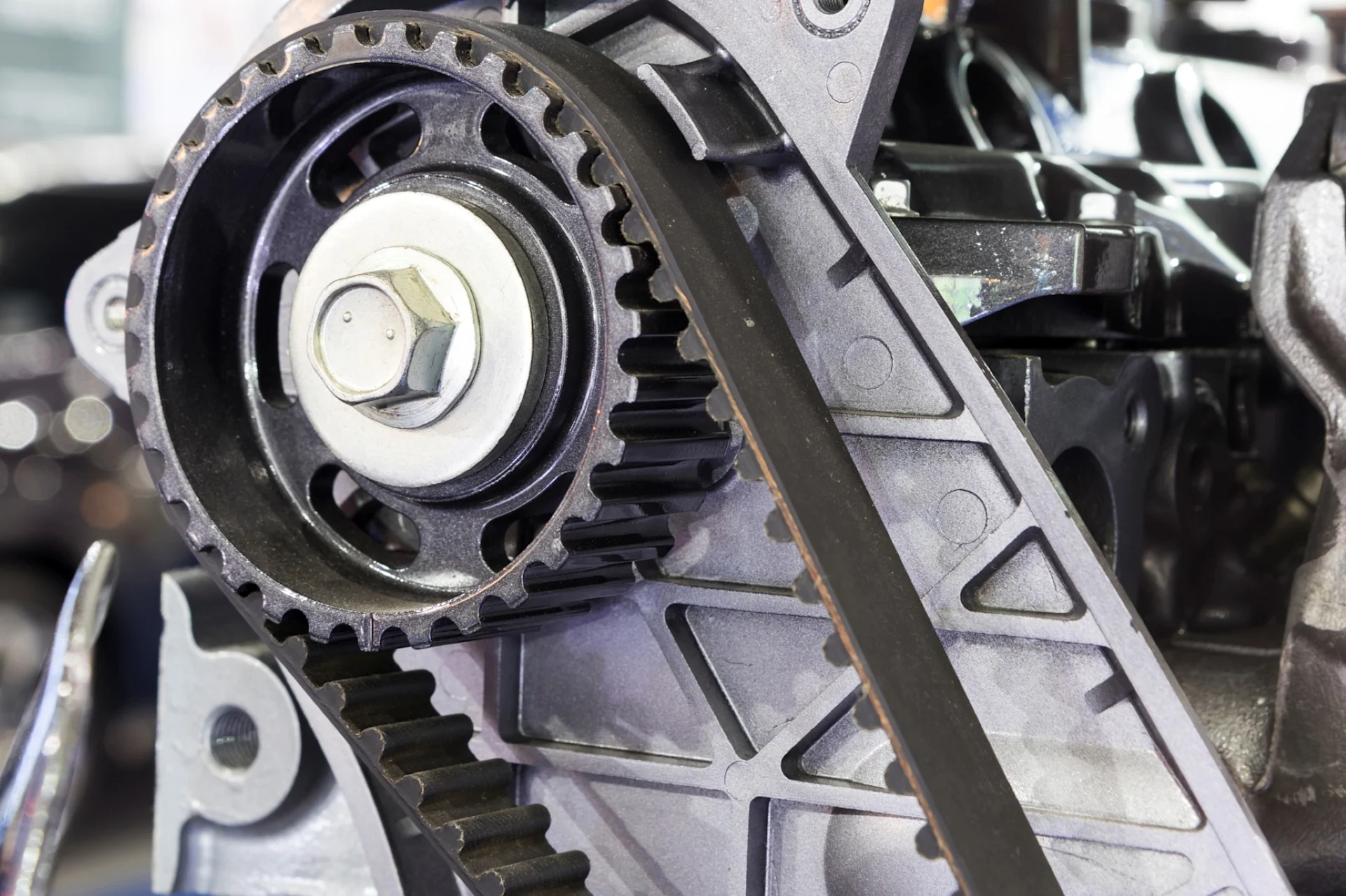
Consumer Goods
- Sporting Goods & Toys
- Kitchenware & Beverage Tubing
Electrical & Electronics, & Energy
- 5G & IoT Communications
- Wire & Cable Coating
Industrial & Manufacturing
- Mechanical Rubber Goods
- Pipe Seals

Oil, Gas & Mining
- Pipe, Seals & Gaskets
Sustainability
- Wind Energy
Additional Products from Celanese:
Hytrel® TPC
Hytrel® TPC from Celanese combines the flexibility of rubber with the strength and processability of thermoplastics. Manufacturers prefer parts made with Hytrel® TPC for their resilience and heat and chemical resistance, as well as their strength and durability. Hytrel® TPC drives innovative design, enabling the development of unique parts with superior performance characteristics.
Features:
- Flexibility & Resilience: Hytrel® TPC flexes and recovers, providing excellent flex fatigue and tear resistance, low hysteresis and spring-like properties.
- Strength & Abrasion Resistance: Hytrel® TPC offers exceptional toughness, impact, and creep resistance.
- Easy Processing: Hytrel® TPC can be processed by injection, blow or rotational techniques; it can be extruded into tubes, profiles, fibers/filaments, sheet, blown or cast film, web coating, nonwovens, and wire and cable jacketing.
- Broad Service Temperature: Flexibility at low temperatures, and good retention of mechanical properties at high temperatures. (-40°C to 150°C).
- Chemical Resistance: Hytrel® TPC stands up to oils, fuels, hydrocarbon-based solvents and many other chemicals.
- Enables Overmolding & Innovative Designs: Hytrel® TPC is compatible with other thermoplastics such as PC, ABS and polyesters, allowing over-molding and coextrusion.
- Allows Rework & Recycling: The exceptional melt stability and thermoplastic nature of Hytrel® TPC allow the recycling of processing scrap. Hytrel® TPC can be reground and blended with virgin polymer.
- Sustainability: Based on a biomass approach, the newest Hytrel® TPC grades are true drop-in replacements with no need to requalify products or retool.
Markets:
- Apparel
- Automotive
- Consumer Electronics
- Consumer Goods
- Medical
Applications:
- Automotive boots and bellow
- Wire & cable
- Air ducts
- Seals & gaskets
- Car chassis
- Car engine
- Foams
- Medical devices
- Specialty films & garments (medical)






© Entec Polymers. All rights reserved. A Ravago company.